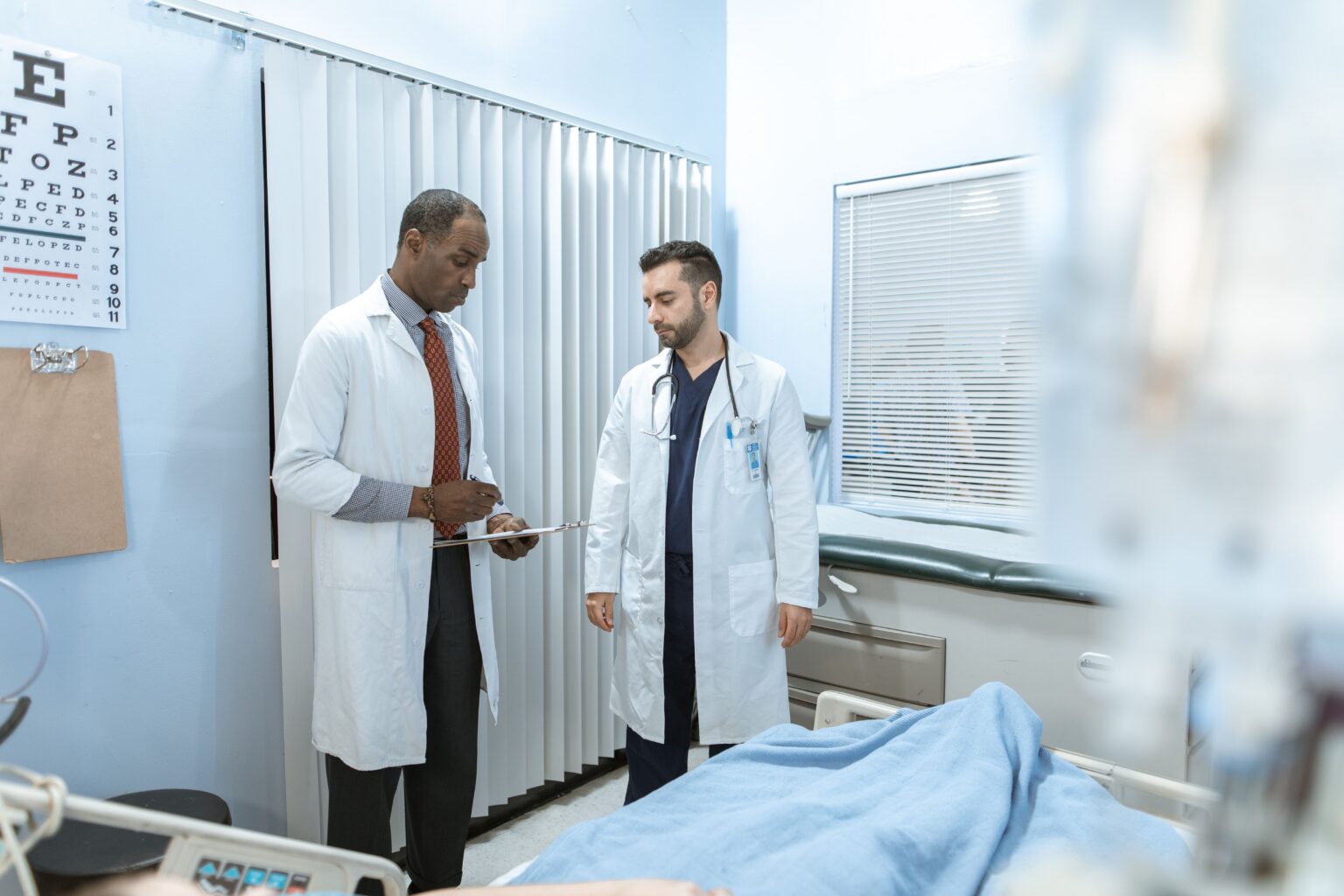
For hospitals, patient care does not end at discharge. Many patients leave the hospital with complex needs that require timely specialist follow-up, medication management, care coordination, and ongoing monitoring. When that follow-up is delayed or unavailable, patients may return to the emergency department, experience preventable complications, or seek care outside the local health system.
Post-discharge specialty care is one of the most important opportunities for telemedicine. By connecting patients and care teams with virtual specialists after hospitalization, hospitals can improve continuity, reduce gaps in care, and support more efficient recovery.
Why Post-Discharge Follow-Up Is A Challenge
Hospitals often discharge patients with clear instructions, but access to the right specialist after discharge can be difficult. In many communities, specialty appointments may not be available for weeks or months. Rural hospitals and smaller facilities may have limited local specialty coverage, forcing patients to travel or delay follow-up.
These delays can create several challenges:
- Patients may not receive timely medication adjustments.
- Symptoms may worsen without specialist input.
- Primary care teams may be asked to manage complex specialty needs alone.
- Patients may return to the ED for issues that could have been addressed earlier.
- Hospitals may lose continuity when follow-up happens outside the system.
- Discharge plans may become harder to manage when specialist access is delayed.
- Families and caregivers may struggle to understand the next step in care.
For high-risk patients, the gap between discharge and follow-up can directly affect outcomes, readmissions, and patient satisfaction.
Telemedicine Helps Close The Care Gap
Telemedicine gives hospitals and healthcare organizations a way to extend specialty support beyond the inpatient stay. Instead of visiting the ED or being readmitted, patients can connect with specialists virtually for follow-up, treatment planning, medication review, and care coordination.
At Specialist TeleMed, this can be especially valuable when patients can receive the specialist input they need through an outpatient clinic appointment.
For example:
- An Infectious Disease specialist can help oversee outpatient antibiotic therapy.
- A Cardiologist can review symptoms and medication changes after a cardiac event.
- A Neurologist can support follow-up after a stroke or seizure admission.
- A Pulmonologist can assist patients recovering from respiratory illness.
- A Wound Care specialist can help monitor healing and adjust treatment plans.
- An Endocrinologist can help with diabetes management or medication changes.
This ensures specialty follow-up becomes more accessible, timely, and coordinated.
Supporting Patients With Complex Conditions
Post-discharge care is often most important for patients with chronic or complex conditions. These patients may require multiple touchpoints after leaving the hospital, and delays can increase the risk of complications.
Telemedicine can support follow-up for various specialties, including but not limited to:
- Infectious Disease: OPAT oversight, complex infection management, antimicrobial guidance, and post-discharge treatment planning.
- Cardiology: Heart failure management, medication review, chest pain follow-up, and cardiac risk assessment.
- Neurology: Stroke follow-up, seizure management, migraine care, and altered mental status evaluations.
- Pulmonology: COPD, pneumonia recovery, chronic respiratory disease, and post-ICU respiratory needs.
- Endocrinology: Diabetes management, thyroid concerns, metabolic conditions, and medication adjustments.
- Wound Care: Pressure ulcers, diabetic foot wounds, venous ulcers, surgical wounds, and healing progress.
- Psychiatry: Medication management, behavioral health follow-up, crisis planning, and continuity after inpatient or ED evaluation.
For patients who would otherwise wait weeks for specialist access, virtual follow-up can make care feel more connected and manageable. Several specialties in addition to the list above are available for outpatient care.
Reducing Avoidable Readmissions
Readmissions often happen when patients leave the hospital but do not receive the support they need afterward. A medication issue, worsening symptom, missed follow-up, or lack of specialist guidance can quickly become an ED visit or repeat admission.
Specialist TeleMed helps hospitals extend specialty input beyond discharge, allowing care teams to identify problems earlier. Follow-up visits can help care teams:
- Confirm whether treatment is working.
- Adjust care plans when needed.
- Review medications and symptom changes.
- Answer clinical questions before problems escalate.
- Coordinate next steps with local providers.
- Support patients who may have difficulty traveling for specialty care.
This can be particularly valuable for hospitals focused on chronic disease management, value-based care, patient satisfaction, and care continuity.
Keeping Care Within The Local Health System
When patients cannot access specialty follow-up locally, they may be referred to larger systems or outside providers. This can create patient leakage and break continuity of care.
Hospital-supported outpatient telemedicine programs help keep more specialty care connected to the local facility and the community it supports. Patients can receive follow-up through the hospital’s network while benefiting from remote specialist input. This supports retention, strengthens patient relationships, and helps the hospital remain central to the patient’s care journey.
For rural hospitals and critical access facilities, this is especially important. Outpatient telemedicine can help patients receive specialist guidance without long travel times or unnecessary disruption.
Supporting Primary Care And Local Providers
Post-discharge specialty needs often fall on primary care providers, hospitalists, nurses, and local clinicians. These teams may be asked to manage complex cases while waiting for specialist availability.
Telemedicine gives local providers additional support. Remote specialists can help with:
- Clarifying treatment plans
- Reviewing progress
- Adjusting medications
- Providing specialty recommendations
- Coordinating follow-up
- Supporting chronic disease management
- Helping determine when escalation is needed
This collaborative model helps improve care continuity while improving confidence in the care plan.
How Specialist TeleMed Supports Post-Discharge Specialty Care
At Specialist TeleMed, we help hospitals and healthcare organizations extend specialty care beyond the inpatient setting. Our board-certified specialists support virtual follow-up, treatment planning, medication management, and care coordination across more than 24 medical and surgical specialties.
By integrating with existing workflows and EMRs, STeM helps care teams maintain continuity from hospitalization through recovery. Our flexible telemedicine programs can support:
- Inpatient teams
- Outpatient clinics
- Skilled nursing facilities
- Post-acute partners
- Rural care environments
- Critical access hospitals
- Health systems managing follow-up across multiple locations
Post-discharge care is one of the most important points in the patient journey. When follow-up is delayed, patients and hospitals both feel the impact. When specialist access is timely and coordinated, hospitals can reduce gaps, support recovery, and keep care connected.
If your organization needs stronger specialty follow-up after discharge, contact Specialist TeleMed today to learn how telemedicine can support continuity of care across your facility.