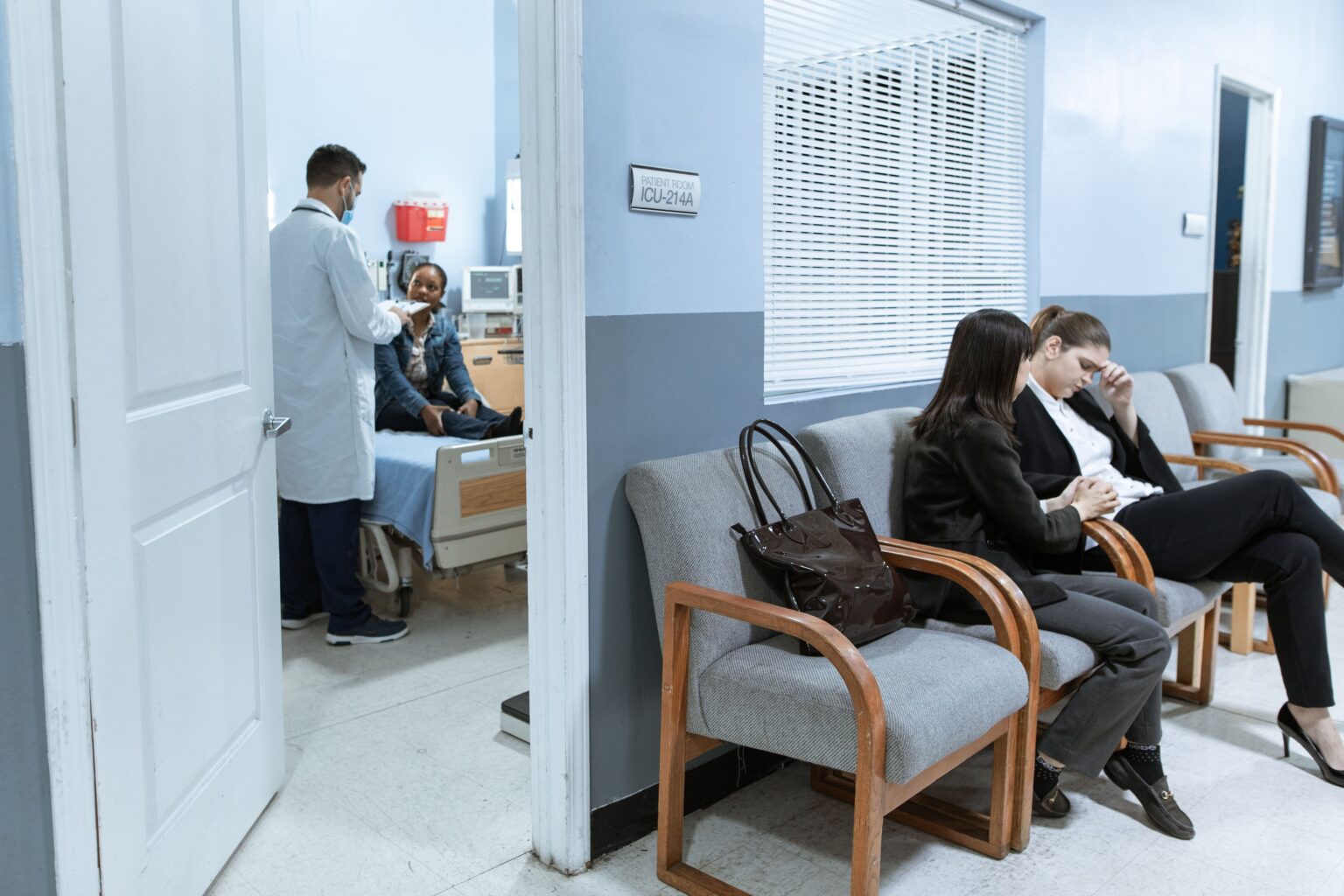
Emergency departments (EDs) across the country are facing a growing crisis of overcrowding. With rising patient volumes, physician shortages, and limited hospital resources, many hospitals struggle to keep up with demand, leading to long wait times, delayed treatments, and increased stress for both patients and providers.
For hospitals looking to streamline ED operations and improve patient flow, telemedicine is proving to be a game-changing solution. By providing immediate access to remote specialists, optimizing triage processes, and reducing unnecessary hospital admissions, telemedicine helps EDs manage patient surges efficiently while ensuring faster, high-quality care.
The Growing Problem of ED Overcrowding:
Emergency rooms are often overwhelmed with patients, leading to long wait times, frustrated patients, and exhausted medical staff. Several key factors contribute to ED overcrowding:
- Increased Patient Volume & Non-Emergency Cases: Many patients visit the ED for non-life-threatening conditions, such as minor infections, sprains, and chronic disease flare-ups, which could be treated in urgent care or primary care settings. Without alternative options for quick medical attention, these patients end up in the ED, occupying beds and delaying care for truly critical cases.
- Shortage of On-Site Specialists: ED physicians often need to consult with specialists like neurologists, psychiatrists, or cardiologists before making critical treatment decisions. However, many hospitals – especially those in rural or underserved areas – lack 24/7 specialist coverage, meaning patient outcomes may be negatively impacted.
- Long Boarding Times for Mental Health & Admitted Patients: Patients experiencing psychiatric crises often wait in the ED for days before securing a bed in an inpatient facility. Similarly, admitted patients remain in the ED for extended periods when no inpatient beds are available, further contributing to congestion. Without intervention, ED overcrowding can lead to worsening patient outcomes, provider burnout, and financial losses for hospitals due to patients leaving without being seen and reduced patient satisfaction scores.
How Telemedicine Helps Reduce ED Overcrowding & Improve Wait Times:
1. Faster Triage & Initial Evaluations:
Telemedicine helps optimize triage processes by allowing remote providers to assess patients virtually, reducing the burden on in-person ED staff. Through tele-triage, patients can be quickly evaluated and classified based on severity, ensuring that critical cases receive immediate attention while non-emergency cases are redirected appropriately.
2. Providing Immediate Access to Specialists:
When specialty input is needed, consultation delays can consume a substantial share of the patient’s ED stay, slowing disposition, occupying treatment capacity, and increasing transfer pressure. With telemedicine, ED physicians can instantly connect with board- certified specialists, expediting treatment decisions and reducing patient wait times.
- Tele-Neurology: Stroke patients can be assessed remotely by a neurologist within minutes, allowing faster administration of anticoagulants.
- Tele-Cardiology: Patients with chest pain can receive immediate consults, determining whether they need a cath lab procedure – or a transfer to receive one.
- TelePsychiatry: Mental health patients can undergo psychiatric evaluations within hours instead of days, reducing ED boarding times.
3. Reducing Unnecessary ED Visits & Hospital Admissions:
Many patients seek emergency care for non-urgent conditions due to limited primary care access. Telemedicine provides an alternative solution by allowing hospitals to:
- Offer virtual urgent care services, preventing unnecessary ED visits.
- Reduce avoidable hospital admissions by providing specialist input before making inpatient decisions.
4. Improving ED Throughput & Patient Flow:
By giving ED teams timely access to remote specialists, telemedicine can help appropriate patients reach a discharge, admission, or transfer decision sooner. In well-designed workflows, that can reduce avoidable ED occupancy and preserve bed capacity for incoming patients. Telemedicine helps:
- Streamline communication between ED teams and specialists, leading to quicker treatment decisions.
- Reduce discharge delays by enabling remote consultations for final evaluations before sending patients home.
5. Shortening Psychiatric Boarding Times:
Mental health patients often spend many hours in the ED awaiting psychiatric evaluation or inpatient placement. TelePsychiatry enables fast behavioral health assessments, allowing hospitals to:
- Quickly determine whether a patient requires hospitalization or can be safely discharged with an outpatient care plan.
- Improve coordination with psychiatric hospitals and crisis intervention services.
- Reduce lengthy psychiatric holds, freeing up beds for medical emergencies.
Is your hospital struggling with ED overcrowding, long wait times, or limited specialist availability? Contact Specialist TeleMed today to learn how our telemedicine solutions can help your facility streamline emergency care, reduce congestion, and improve patient outcomes.